The WPL's rapid rise
25 September 2026
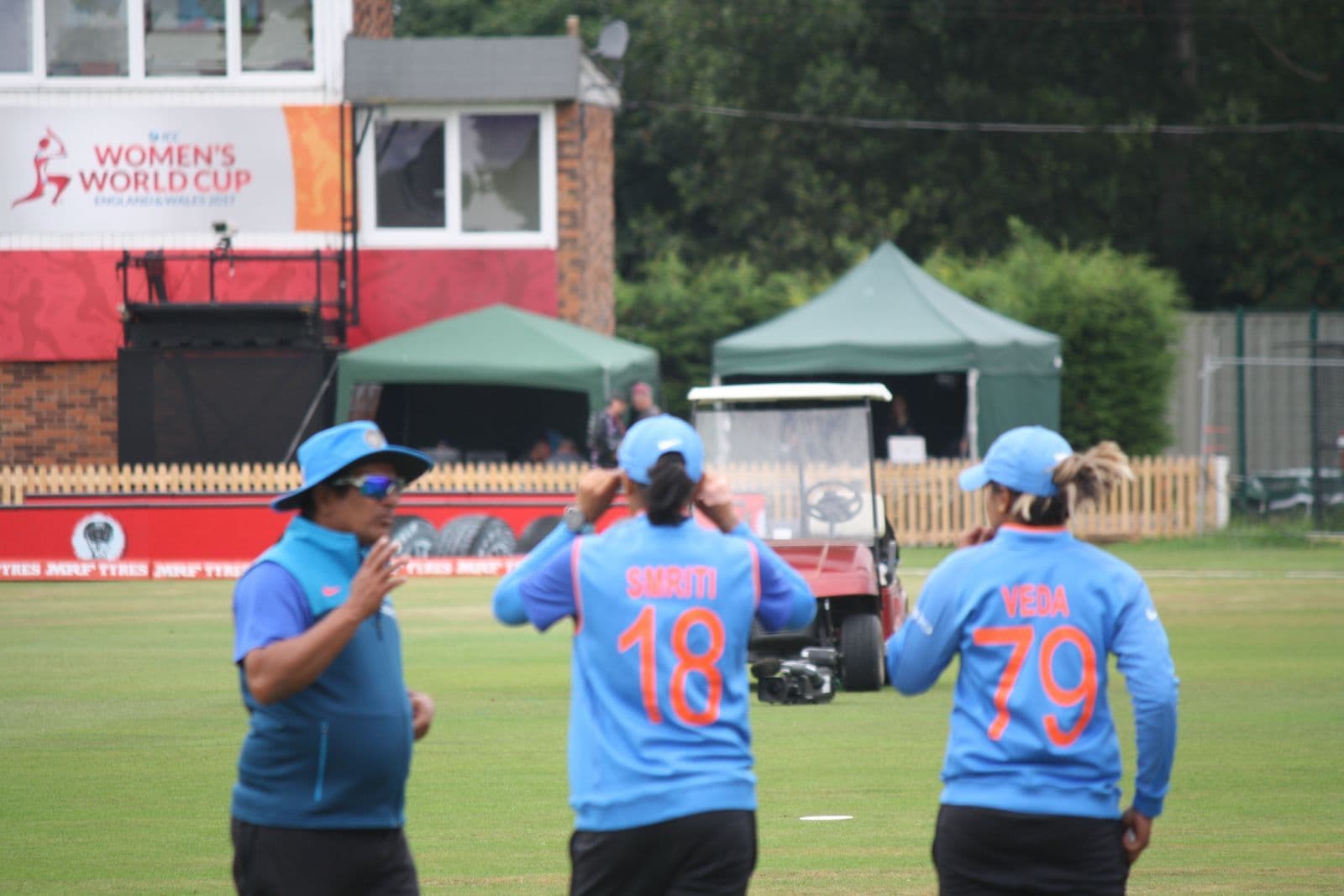
Smriti Mandhana went for 3.4 crore in the very first WPL auction, in 2023, the highest price paid in a sale that moved 73 players and a combined 53.6 crore in one afternoon. It was the number everyone quoted afterwards, proof that a brand new women's league could draw real money on day one, and it sat alongside other big-ticket names going the same auction, Ashleigh Gardner to Gujarat Giants, Deepti Sharma to UP Warriorz, Jemimah Rodrigues and Shafali Verma both to Delhi Capitals. A debut season with that much real spend behind it is not a modest opening act.
What came next looked, on the surface, like the excitement cooling off. 2024 saw just 22 players go through the auction, 2025 fewer still at 14, a couple of quiet years by comparison with the launch. Read the numbers the wrong way and that's a league losing steam in its second and third seasons. Read them the right way and it's the opposite: five franchises had liked what they built in 2023 well enough to keep most of it, retaining their cores instead of re-auctioning players who were already working out. A quiet auction, in a league this young, is usually a sign of stability, not disinterest.
2026 confirmed which reading was correct. Fifty-eight players went under the hammer, a combined 37.75 crore changed hands, and the top price, 3.2 crore for Deepti Sharma at UP Warriorz, landed almost exactly where Mandhana's record-setting bid had three years earlier. Amelia Kerr went for 3 crore to Mumbai Indians in the same auction, Shikha Pandey for 2.4 crore back to UP Warriorz alongside Deepti Sharma. After two years of mostly standing pat, the five clubs went back into the market and spent like it was opening day again.
The one number that hasn't moved at all across four seasons is the franchise count: five teams, 2023 through 2026, no expansion yet. So this isn't really a story about the WPL getting bigger. It's a story about the money already committed to the players inside it going up, twice now, once at launch and once again three years in once the league had proven it wasn't going anywhere. For a competition that's played only four seasons, a second real wave of investment after the retention years is exactly the kind of signal that separates a passing launch spike from a league building something that lasts.